Taxes in Retirement
Why Reporting Forms Arrive Late And Get Corrected
Year-end tax forms depend on information that arrives after the year closes, which is why brokerage statements are issued late and revised versions are routine rather than exceptional.
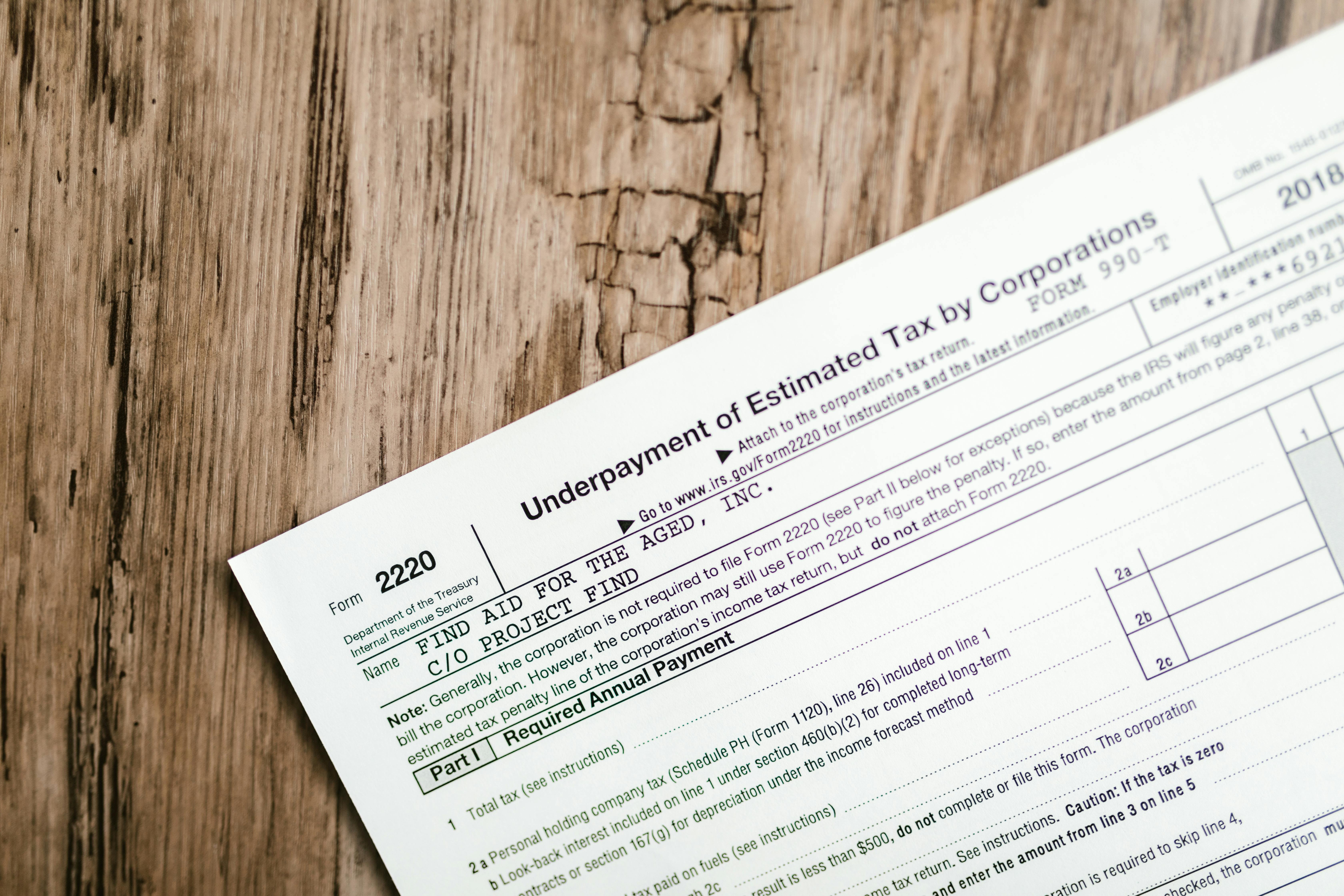
Investment tax forms arrive later than employment forms and are frequently reissued. The delay and the corrections both follow from how the underlying information is assembled.
The information is not final at year end
Funds and trusts must determine the character of the amounts they distributed, splitting them between ordinary income, qualified dividends, capital gains and returns of capital.
That determination depends on the entity's own full-year results, which are not complete on the last day of the year.
Brokerages cannot finalize a client's form until every issuer whose securities the client held has reported its allocations.
Layered holdings extend the chain
A fund holding other funds must wait for their allocations before producing its own, and each layer adds delay.
Certain holdings, including some trusts and partnerships, report on their own schedules and are commonly among the last to arrive.
This is why brokerages routinely obtain extensions for issuing consolidated statements and why one account can produce forms in several waves.
Corrections are routine rather than a sign of error
A corrected form is issued when an issuer revises its allocations after the original statement was produced.
Nothing was necessarily wrong in the original. It reflected the best information available at the time, and the revision reflects later information.
Corrections can arrive well into the filing period, and occasionally after a return has already been filed.
Filing early carries a practical cost
A return prepared from an original form may need amending if a corrected version follows, which is additional work and additional processing.
Taxpayers holding assets known to report late frequently allow for that when planning when to file, and extension procedures exist for the purpose.
Whether to wait, file and amend, or extend depends on a filer's circumstances, and it is a decision for a qualified tax professional rather than a rule.
The same information reaches the tax authority
Forms issued to taxpayers are also reported to the tax authority, which matches them against filed returns.
A mismatch generates a notice, which is why filing from a superseded form can produce correspondence months later even where no tax was underpaid.
Keeping the original and corrected versions together in one place is what makes responding to such a notice straightforward, and the reporting requirements themselves change over time.
Also by Howard Mbeya
- Fraud and how retirees are targetedPlanning & Risk
- Keeping records that someone else can followTaxes in Retirement
- Simplifying a portfolio you already haveAccounts & Vehicles
- The first year of retirementPlanning & Risk


